In this project I help an underground music venue serve a digital experience that keeps up with big-ticket artists and festivals. I found it to be an interesting creative challenge; crafting a visually appealing lo-fi aesthetic that embodies the venue’s charming atmosphere while providing a user experience that is smooth, efficient and accessible.
Discovery
My primary research method was surveying people outside shows, before and after. I asked them to rate their ticketing experience for this show, recall past experiences both positive & negative, and other questions like how they found it and what types of concerts they typically go to. Additionally, I conducted a competitive audit of various venues’ websites as well as industry leaders like Ticketmaster and AXS. Based on what I gathered, I created a user persona.

Kora
18, College Student
Kora has been interested in exploring the local punk scene for a while, ever since she moved here for university and started to expand her music taste. She wants to go to more concerts with friends, but, it’s been hard to coordinate and plans just seem to keep falling through.
- “IIIII wanna rock and roll all niiiiiight, and party every day!”
Prototyping & Testing
I created a Figma prototype for the mobile ticketing flow and tested it in a remote moderated usability study. The lofi prototype was based on the UX design of the venue’s current mobile site.
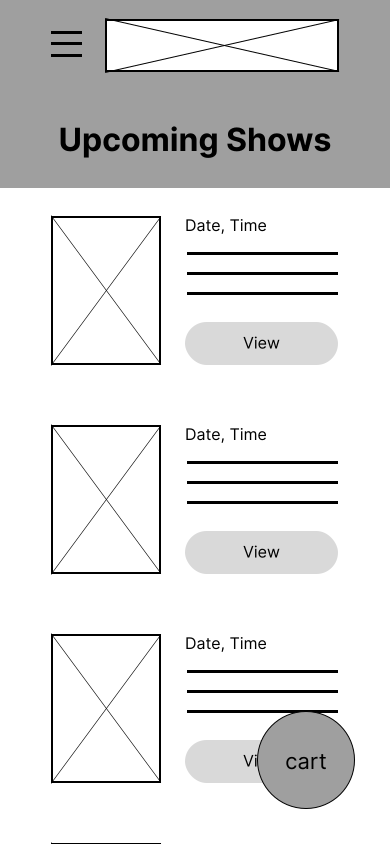
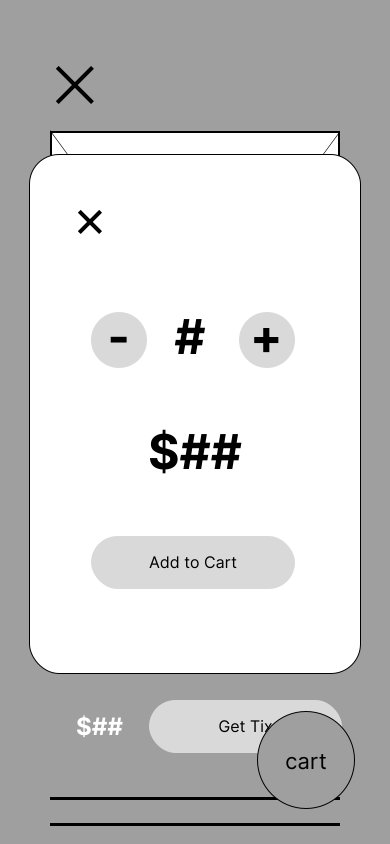
I'm not shopping
Users were puzzled by the presence of a shopping cart, although some did appreciate having the ability to save shows of interest.
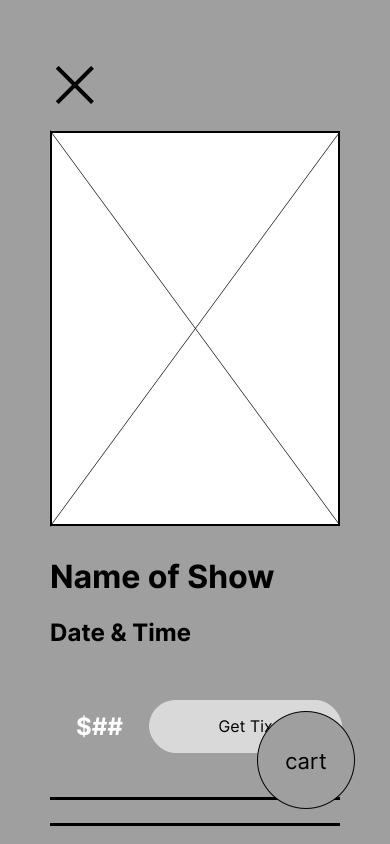
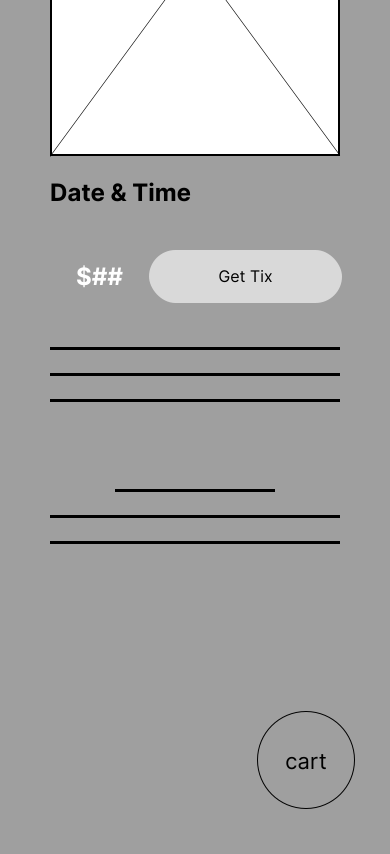
What's the scene?
Users commented that they were uneasy buying tickets with the reason being that they don't know what kind of music to expect. A common step in the user journey is looking up the artists on a streaming platform to get a preview of their music, which requires leaving the website. One user commented on their frustration with this step, specifically on the back-and-forth, remembering names, and frequent inability to find artists if they aren't discoverable on their preferred platform.
Creative Decisions
The aesthetic takes inspiration from punk, skater culture and brutalist architecture. Raw and textured, but with a strong emphasis on functionality. How do I make it bold and brash, not belonging in the trash?
Meaning of Freque
Inspiration always seems to strike out of nowhere, and in the most random contexts. One night I had a dream where I was like, sweeping the floor as the owner of a record store and it was called “the freque”. Credit to my subconscious, I recalled this dream and realized it was a great fit for the name of this project. Like an onion, it has layers:
-
Freak: weird, alternative, association with subculture
-
Frequency: vibrations, sound waves, audio, relation to music
-
Frequent spending time somewhere, a social third place
✶✶ Mood Board: “Ziptie”
Visuals
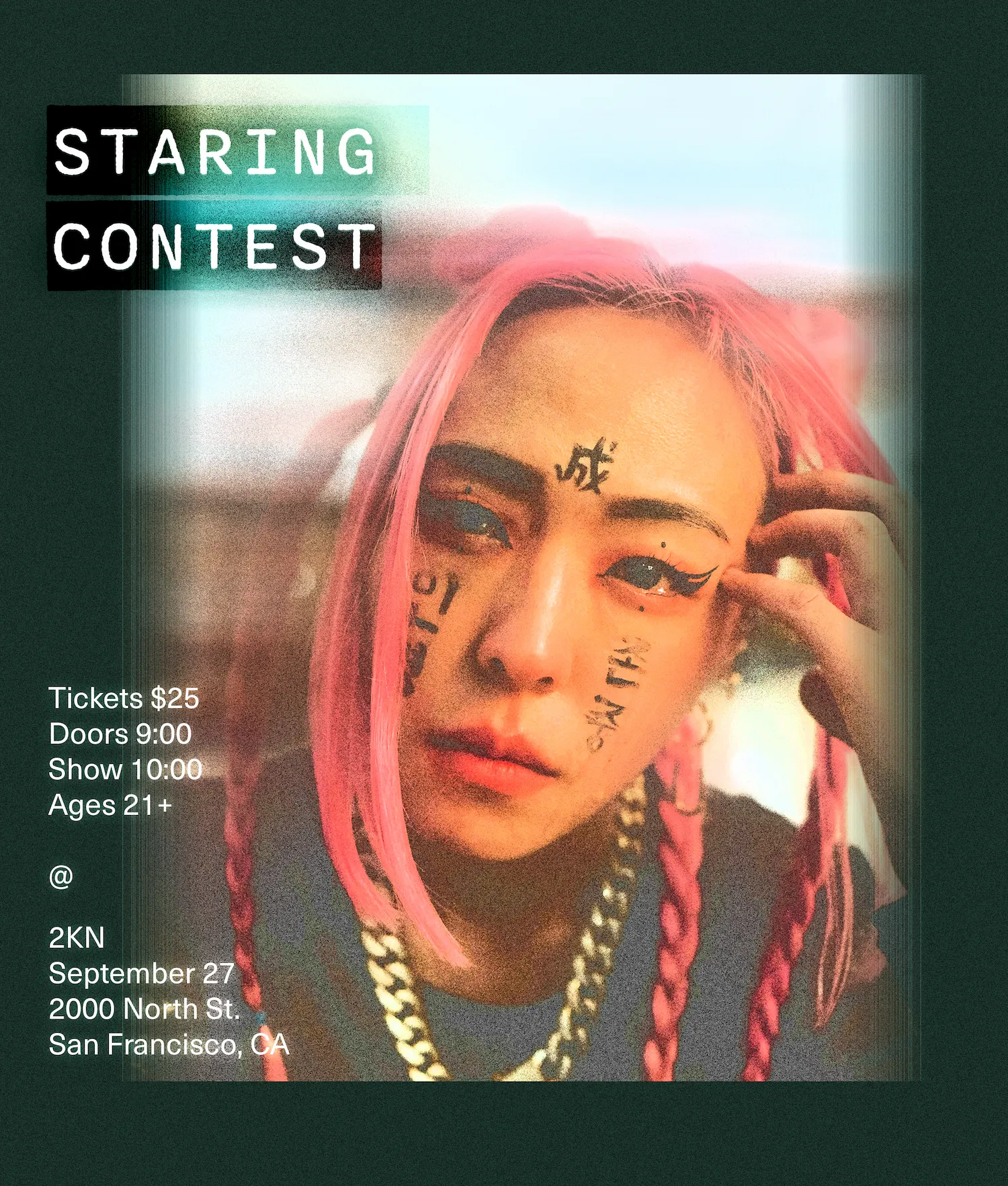
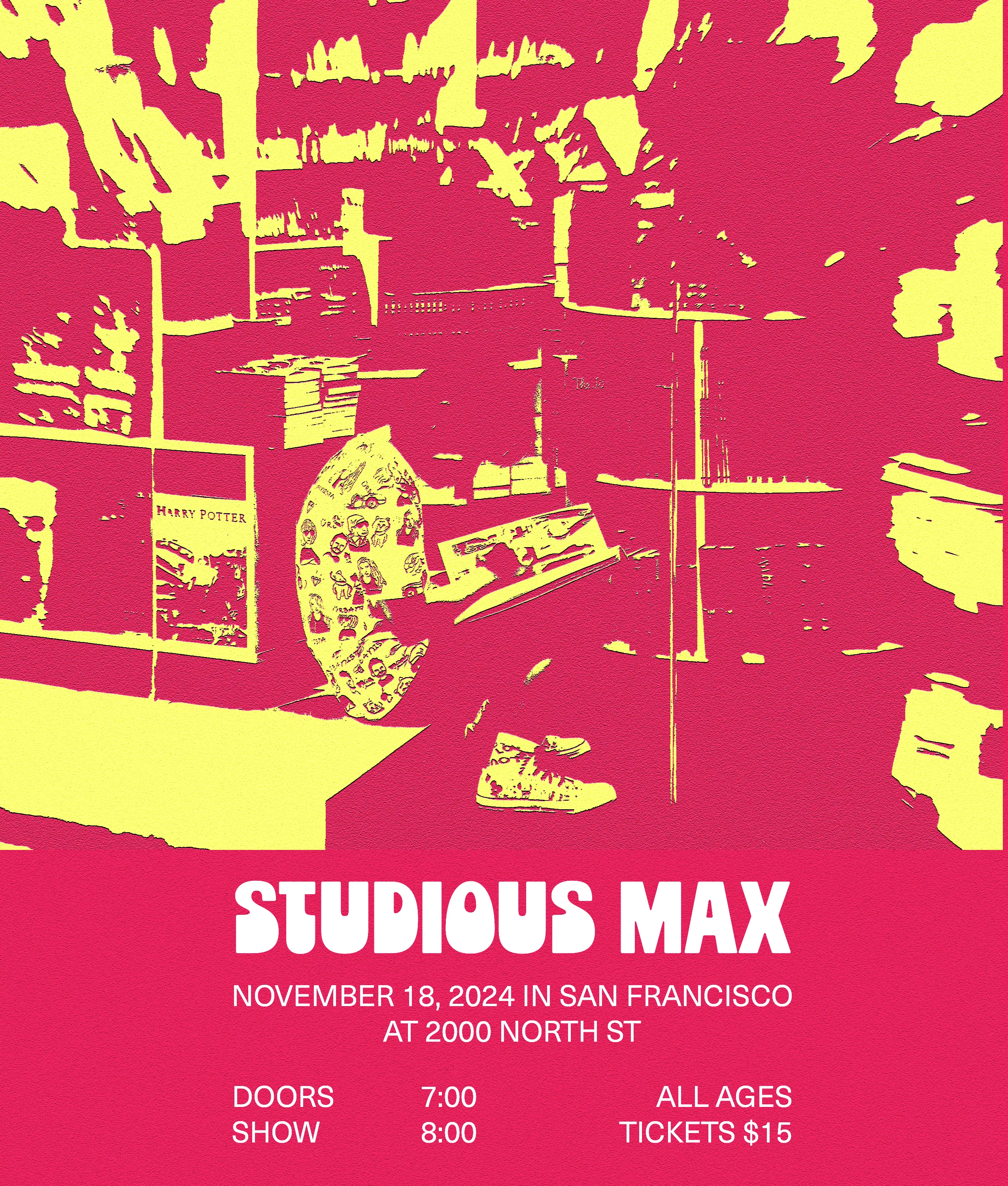
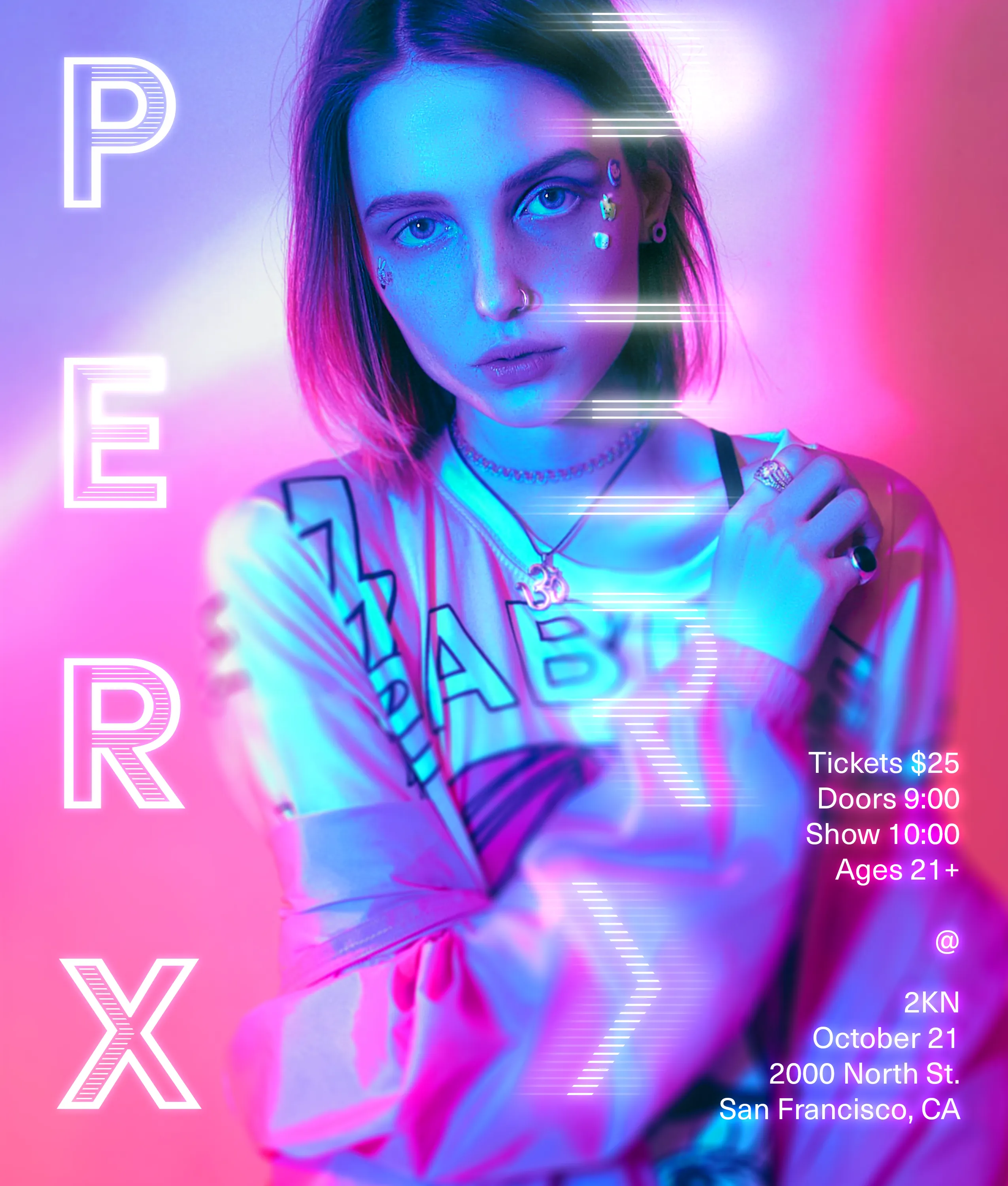
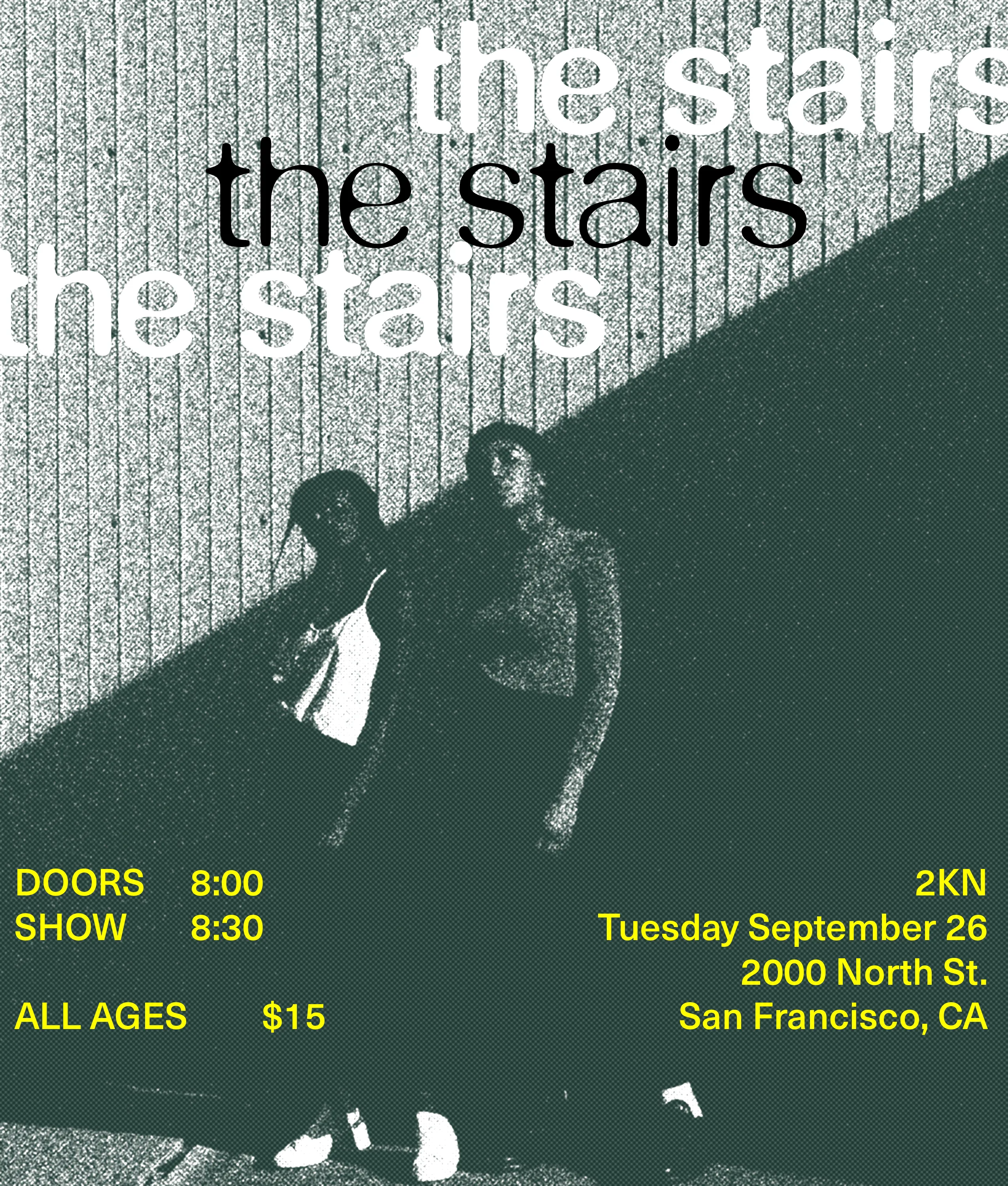
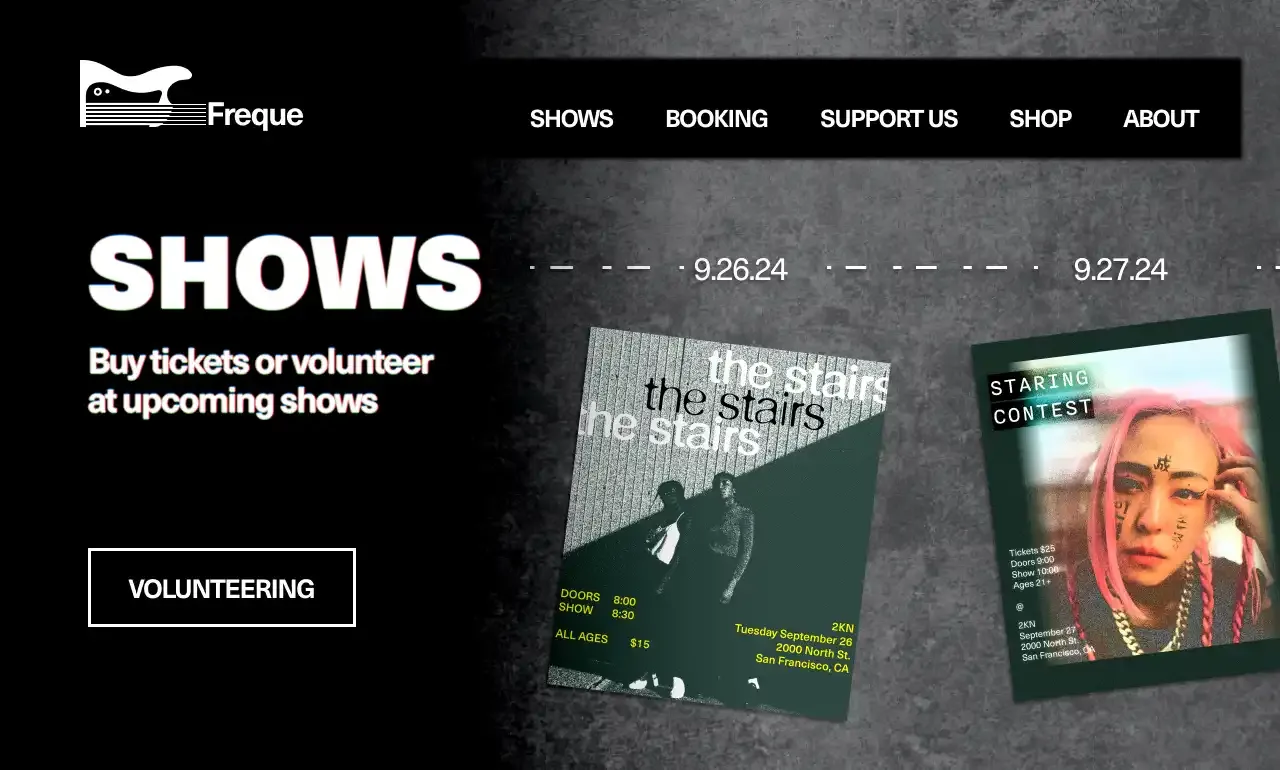
I designed the browsing experience to mimic real life, for example looking around at the posters stapled all over the nearby telephone pole. I created posters for make-believe events, using different visual styles for each to express the diversity of music that would frequent the venue.
Typography
In choosing fonts, I prioritized readability in particular to balance out the chaos; posters designed independently and will full creative freedom could obscure or omit details; for web they must be accompanied by readable text.
Logo
The electric guitar is one of the most recognized and evocative silhouettes; it’s no wonder it has also become the basis of so many logos throughout the music industry.



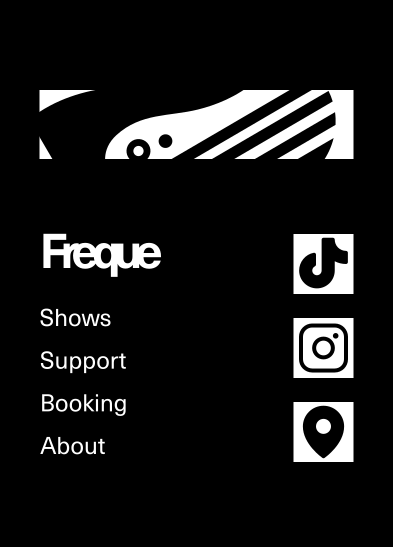
Above is how the logo evolved during the design process. I wanted to distinguish it from the pack by giving it an abstract twist. The cuts are made deliberately to give it a distinct shape and deconstructed look, aligning with the brand identity. I used photorealism on one part to visually communicate guitar and simplified other parts for harmony and balance. The site footer is an example of how scale and rotation can be used to further abstractify the logo for decorative graphics.
Reflection
When experimenting with a lo-fi aesthetic, striking the right balance is key; if I over-decorate or simplify components too far, usability suffers. On the other hand, if there isn’t enough visual appeal, the result looks half-baked and dull.
Design choices can be intentional without appearing so. Natural charm is transcendent; hairstyle, fashion, an old beat-up guitar… character is built over time, through story, natural occurrence, and culture. To draw inspiration from a culture rather than imitating it, there needs to be communication, understanding, and active involvement.
Standing on Business
Independent music venues often rely on social media and word of mouth to promote shows and events. While artists’ fan bases typically drive much of the interest, a venue can also attract show-goers through its own aura. Part of a successful strategy is helping the venue cultivate its own following as a hub for music discovery. Although, from the consumer’s perspective, attending a concert to find new music involves more risk and investment than using streaming playlists or TikTok—now the predominant methods of discovery. The physical space itself can be super awesome and fantastic at curating shows, but without a strong digital presence it will be increasingly difficult to outcompete those more convenient channels.
This focus on “venue as discovery” differs from standard ticketing apps like AXS, even though ticketing itself is universal. The real-life venue that inspired this project sells tickets only in person with cash, presenting an opportunity to establish an online ticketing system independent of larger services such as Ticketmaster. Ultimately, for a smaller venue to stand out and gain a following, it must compete in the digital landscape with the same energy that drives the rest of the music industry.
What’s Next
Right now, the volunteering process at this venue is very informal: if someone wants to help out at a show, they simply arrive before it starts and check with the coordinator about any needs. Although that system has been serviceable, there are considerable limitations due to lack of structure, and it’s harder to plan for specific roles or skill sets. A digital portal to streamline volunteering processes could do wonders.