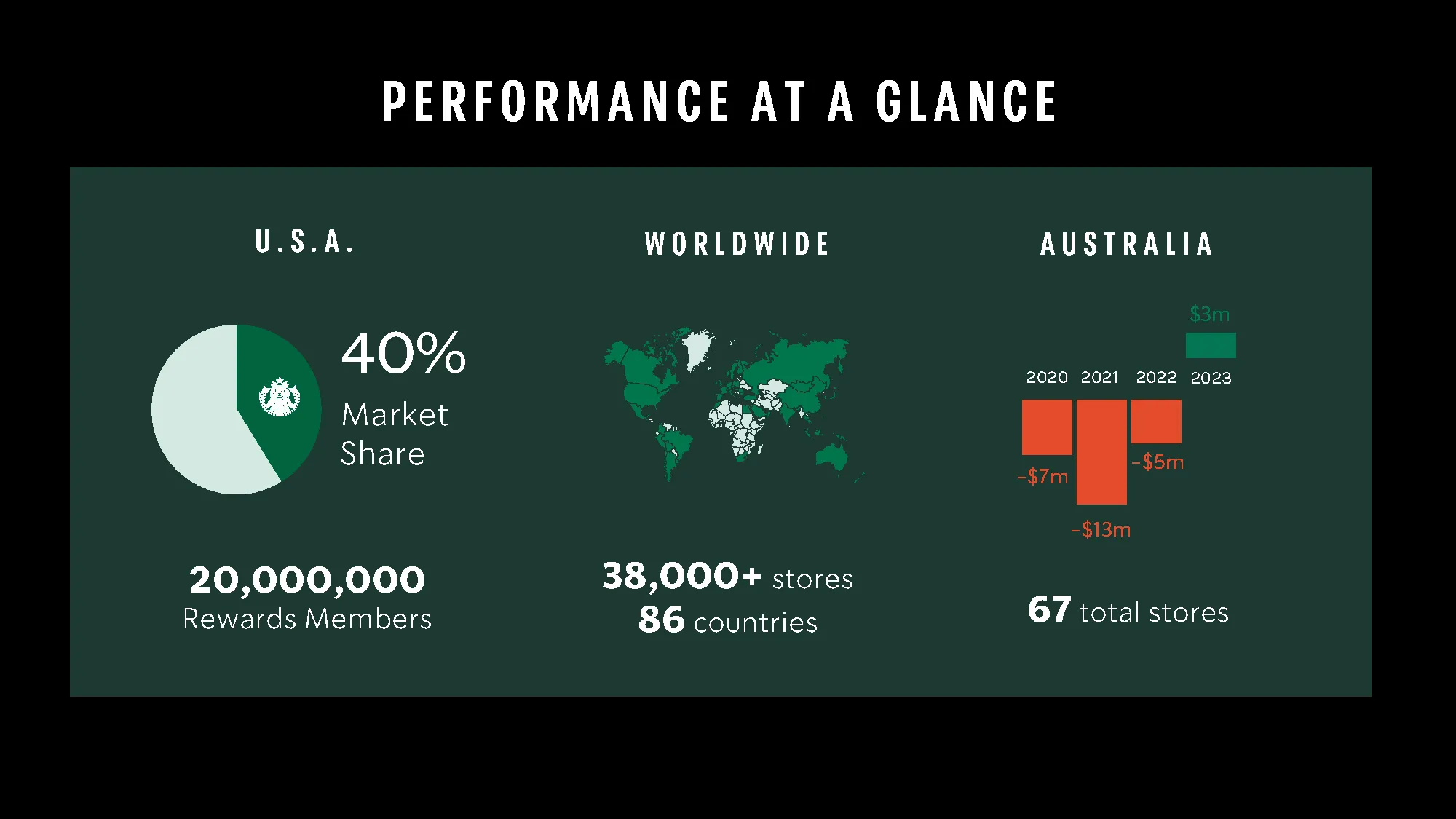
In 2000, Starbucks made an attempt to enter a promising Australian coffee market. With proper execution, it might have been the move of the century. Unfortunately for Starbucks, that’s not how things played out. By 2008, they had to shut down two-thirds of their 87 locations after suffering $105 million in losses.
Comparable international chains such as McCafe, Gloria Jean’s, and Hungry Jack’s Cafe have still found lasting success in their franchise operations, so there may still be hope for Starbucks. Now the task at hand is to derive insights from key mistakes in Starbucks’ historic approach and determine which adaptations will be the most likely to succeed in revitalizing Starbucks’ presence in Australia.
Strategic Adaptations
Emphasizing Local Tastes in Menu Offerings
For one adaptation, Starbucks could roll out menu changes in their Australia cafes that emphasize local tastes. Recent market research has revealed that the most popular coffee drinks in Australia are latte, flat white, and cappuccino.

Currently, the first few items on the online Starbucks menu are sorted alphabetically, but this has the consequence of putting Americano as the first visible option, followed by brewed coffee and then caffe late. By contrast, the McCafe app immediately features an appealing graphic of a cappuccino, followed by the menu where the first three drinks listed are the flat white, cappuccino, and long black— the three most popular Australian coffee orders. McCafe’s coffee fit for an aussie video ad is also a good example.
Okay. The thing about us Australians— everyone’s a coffee critic. Yeah, we’re a pretty laid-back bunch, but you give us a lackluster latte, we’ll turn it into a down-the-sink-uccino.
The video features humorous clips such as a woman secretly dumping her crappy cup of coffee into a nearby planter while the person she is talking to is looking away. Starbucks could similarly leverage humor or authenticity in promotions dedicated to distinctly Australian recipes like flat whites and long blacks, resonating with consumers and celebrating Australian coffee culture.
Addressing Australian Preferences: Lower Sugar Content
While Starbucks has always offered these drinks on their menu, their promotional strategy has always instead emphasized their seasonal specials. Someone looking for a nice place to enjoy a flat white is not going to have Starbucks top of mind, even though technically it’s an option they serve. Maybe it would be fine if these proprietary concoctions weren’t always in the realm of artificially flavored, high-sugar drinks.
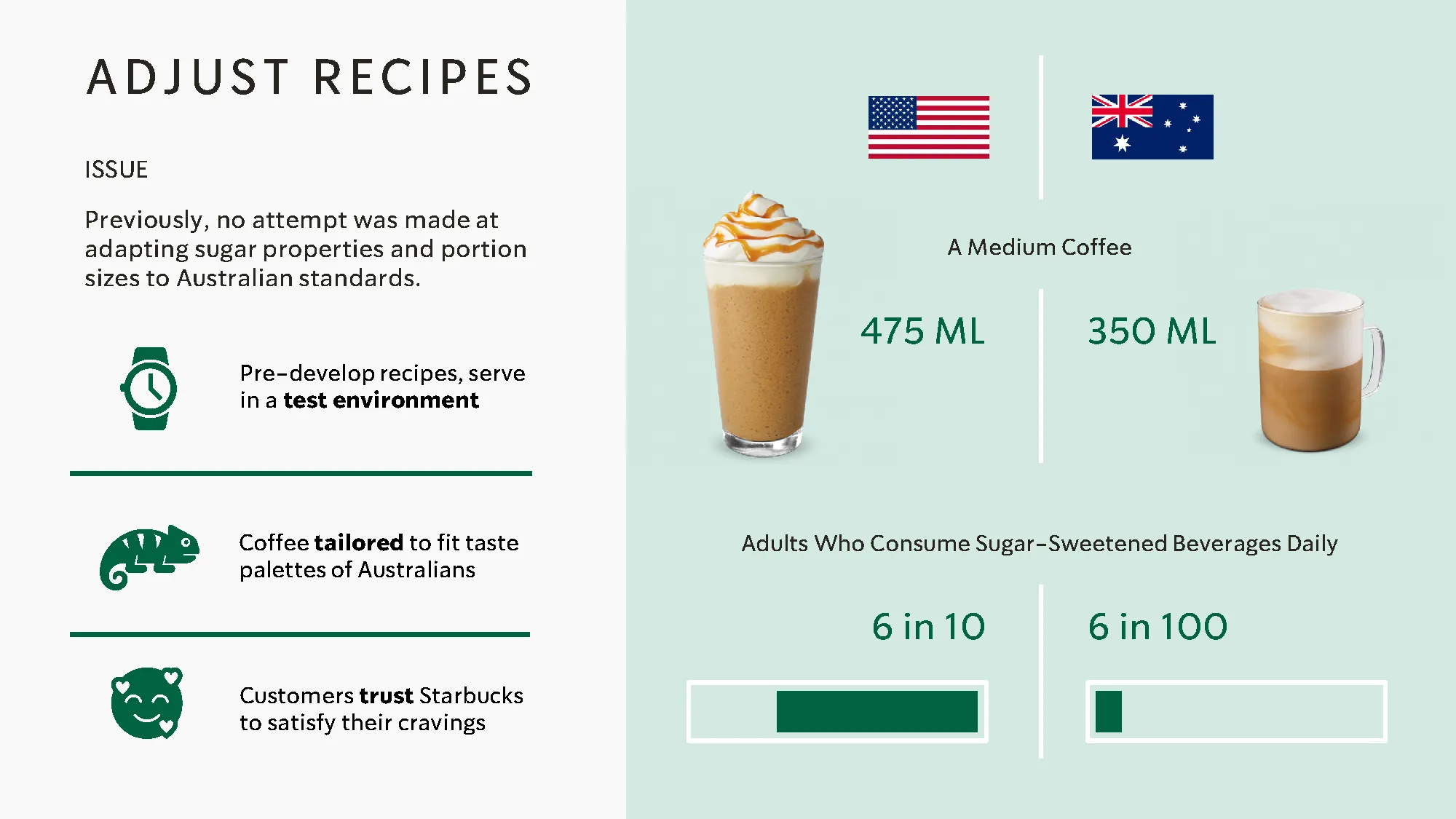
It works in the U.S. where 65% of the population consumes high-sugar beverages daily, but with that only being 12% in Australia, it’s clear that their promotion strategy doesn’t match with demand. Changes such as lowering the default sugar contents of their drinks might increase the likelihood of repeat customers. The Australian cafe-goer will continue to choose the option they know will be able to provide them the kinds of drinks that fit their taste, and Starbucks must prove that they can do that.
Culturally Relevant Experiential Marketing
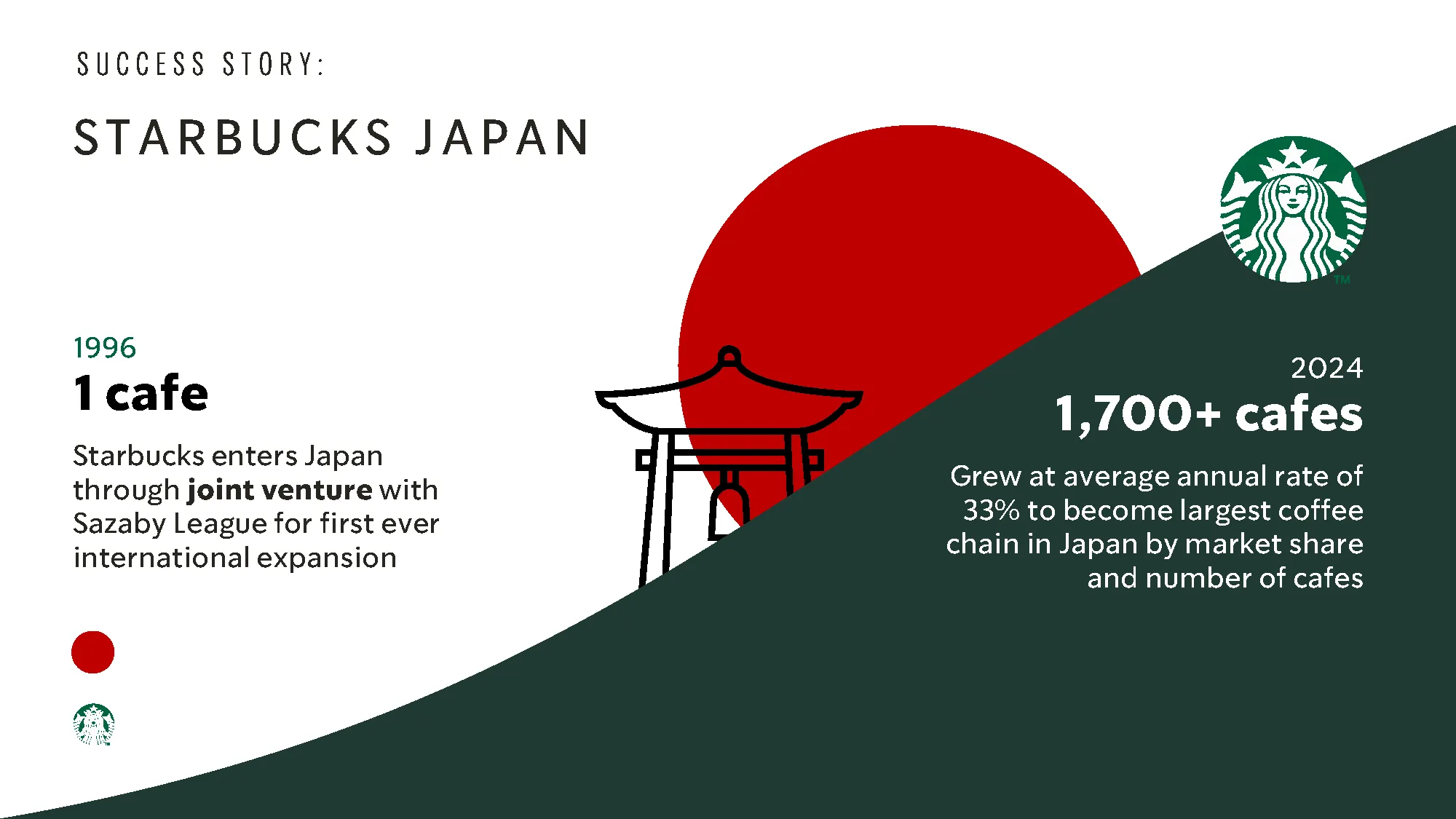
This form of adaptation to consumer trends works even better when combined with culturally relevant experiential marketing. Starbucks has triumphed in Japan, where they fully commit to putting this credo into action.
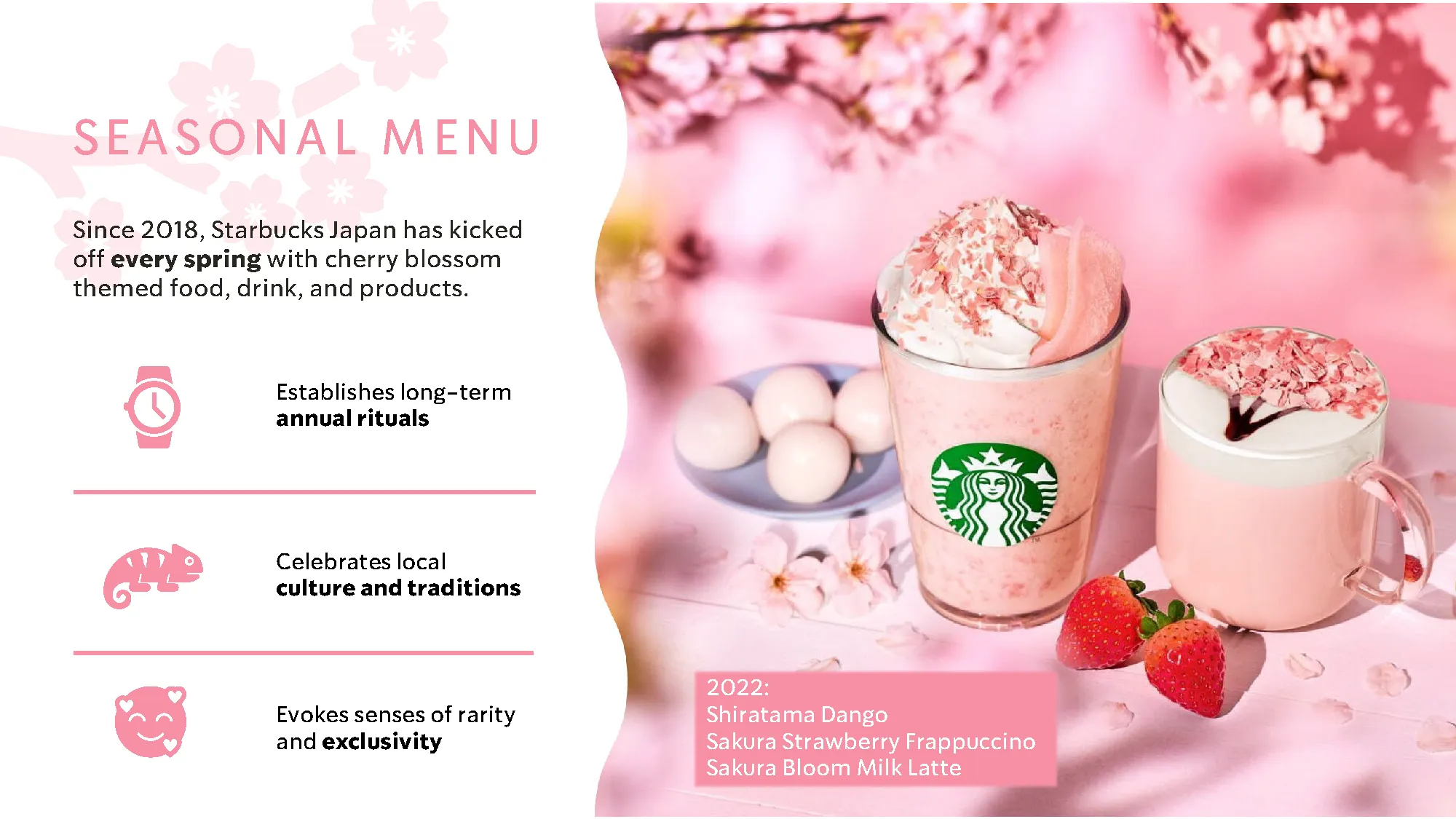
Since 2002, Starbucks Japan has done annual springtime exclusive “Sakura” (cherry blossom) themed menu items. For 2023 it was the “Sakura Saku Saku Frappuccino” and the “Sakura Soy Latte”. The long-running campaign continues to innovate, this year with a delightful AR experience to accompany the promotion.
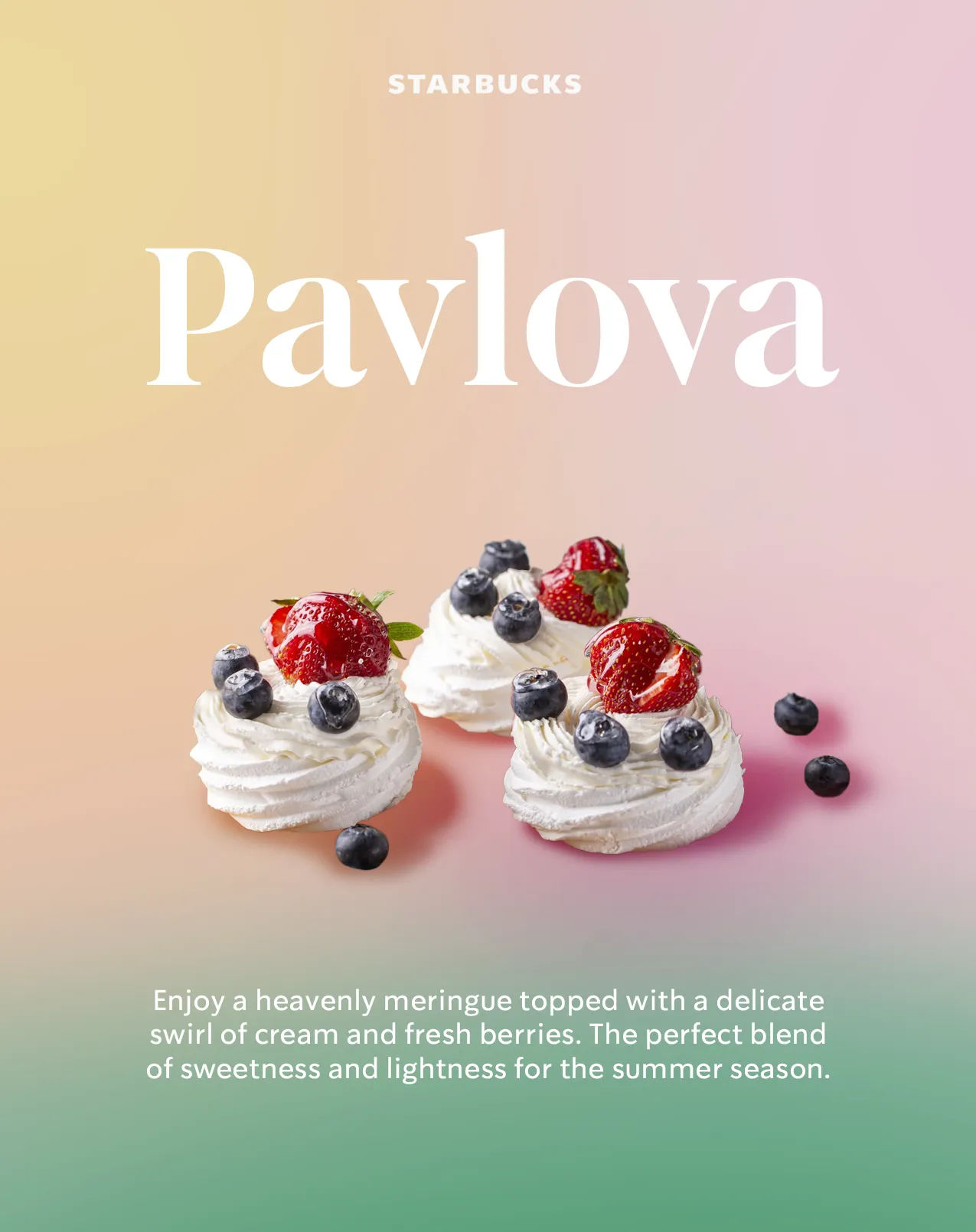
Starbucks Australia could benefit from taking a page out of this book and conjure up seasonal specials based on Australian culture. For example, they could introduce new items such as the pavlova or vanilla slice, two traditional Australian/New Zealand desserts.

However, the bare minimum adaptations must come first to make Australians feel seen and respected. Case in point, when Starbucks rolls out the Pumpkin Spice Latte, they do it at the same time of year as in the U.S. The problem is that Australia is in the southern hemisphere, where seasons are flipped. It’s a bit nonsensical for this fall-themed drink to crop up during the springtime. Maybe they determined that the cost of re-coordinating production for a different timeframe wouldn’t be worth the investment, but at that point why even bother?
Building Consumer Trust Through Retail Channels
Starbucks would benefit from finding alternative ways to connect with Australians, and the supermarket is a great place to start incubating seeds of trust. Despite there being over 20,000 cafes across Australia, 75% of general coffee consumption occurs at home. Moreover, 50% is instant coffee.
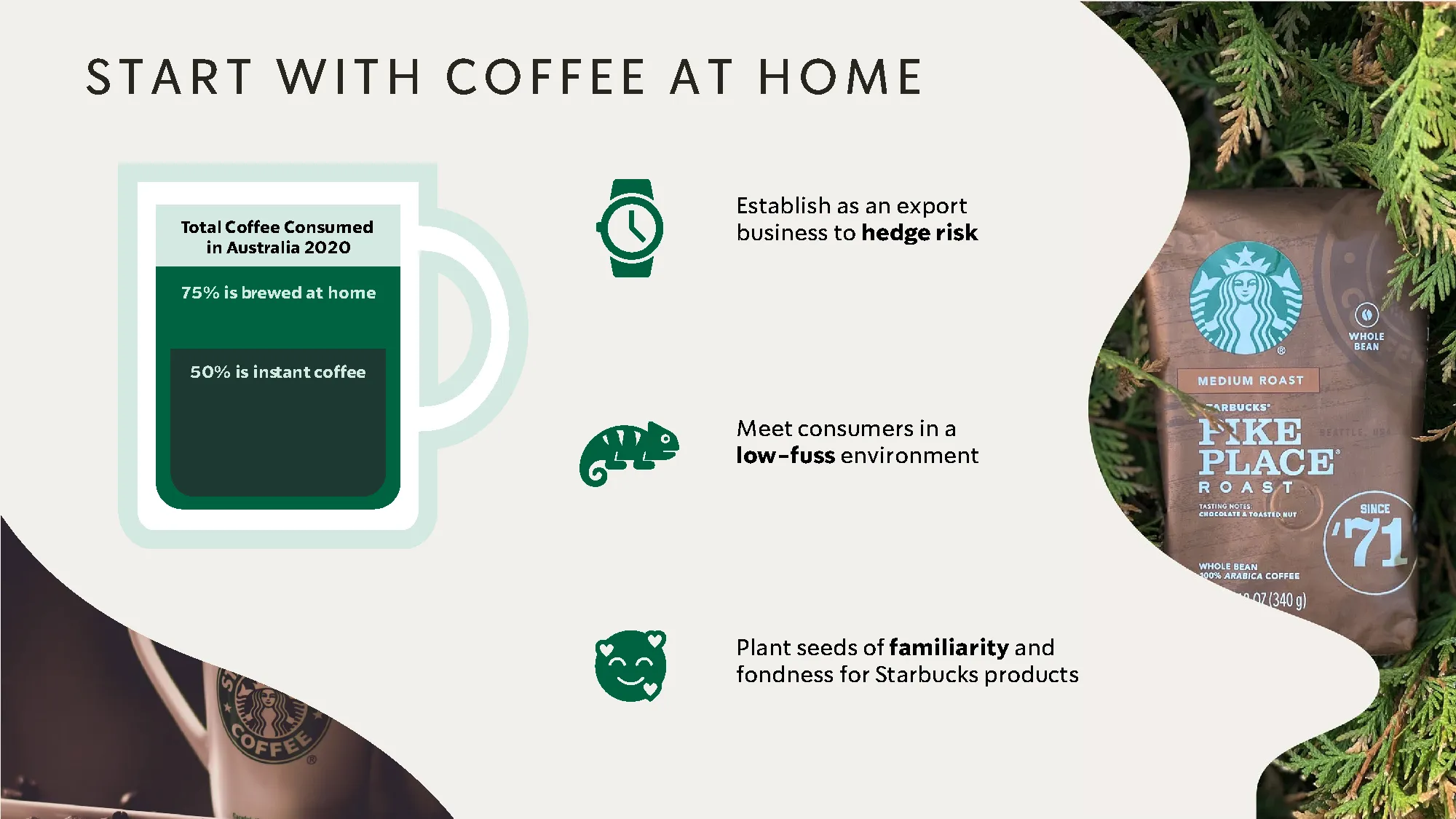
Launching an export business before jumping to establish store locations could be a smart play to gradually get Australian coffee consumers accustomed to drinking Starbucks coffee. It’s an arena where people won’t have to go out of their way: one that favors convenience, unlike the cafe business. On top of that, people are much less likely to be picky about what they choose when it comes to instant coffee, where the quality of the beans is lower on the list of priorities. Starbucks could excel in this arena by leveraging their excellent branding and package design capabilities.
Creating Inviting Physical Spaces
Once people are more used to having Starbucks in their lives, visiting a Starbucks might be more enticing, but that depends on if the Starbucks can establish locations that provide the sort of value that matters the most to Australians. Starbucks failed when they deployed in Australia the same convenience-first strategy that led to their success in the U.S. In the U.S., 45% of coffee orders are to-go, compared to only 23% in Australia. Starbucks locations should emphasize comfortable spaces designed for lingering, community-building, and regular gatherings.
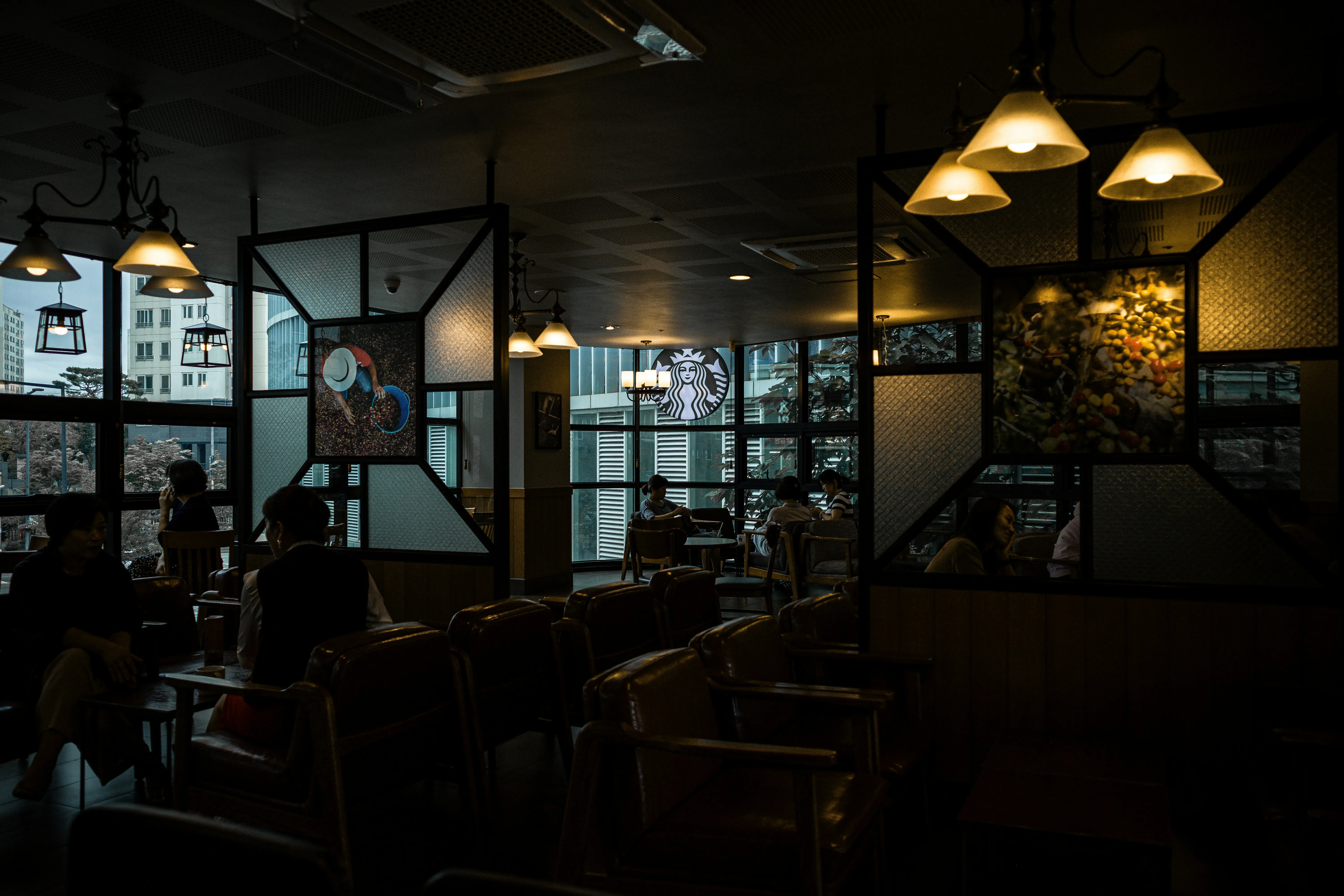
Successful global Starbucks locations that focus on inviting environments should serve as models for this approach. There is a lot of potential in this area, and myriad success stories of fabulous Starbucks locations around the world to lead by example. Pleasantly decorated, well-staffed cafes encourage people to gather, work, and become regulars, no matter what logo is on the sign. To win the hearts of Australians, Starbucks needs to double down on their strengths in those areas.
Conclusion: Revitalizing Starbucks in Australia
For Starbucks to succeed in Australia, they must adapt their approach based on past lessons. Emphasizing local menu items, reducing sugar content, and launching culturally relevant promotions are essential strategies. Additionally, leveraging supermarket retail channels can build trust and familiarity, and creating welcoming cafes will appeal to Australia’s preference for social coffee experiences.
By strategically aligning with Australian tastes, preferences, and cultural contexts, Starbucks can revitalize its presence and form lasting connections with Australian consumers.